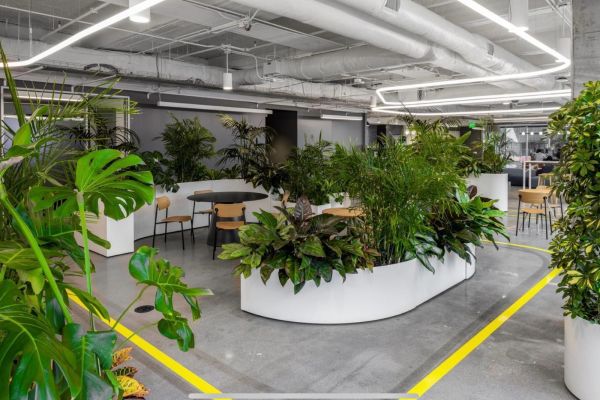
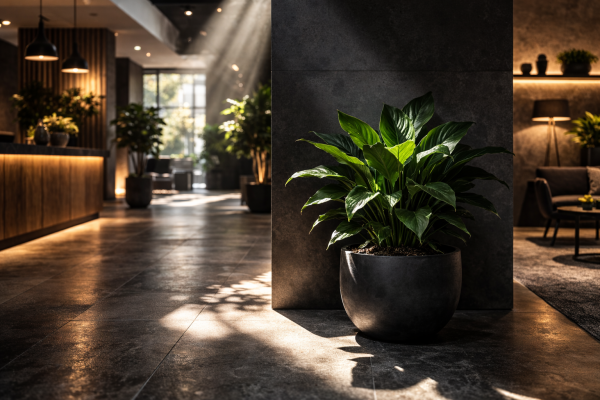
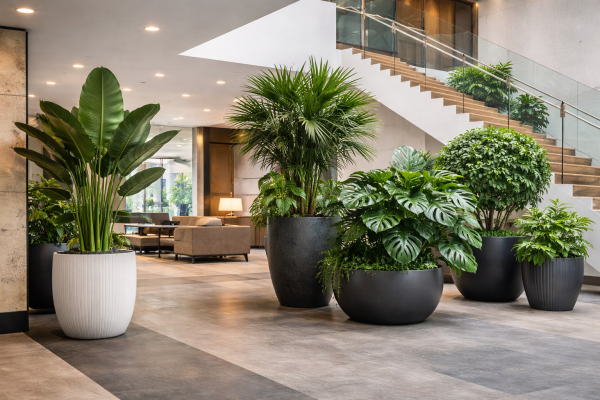
Every interior landscaping project starts differently. Sometimes there is a complete architectural drawing with exact measurements, materials and f...
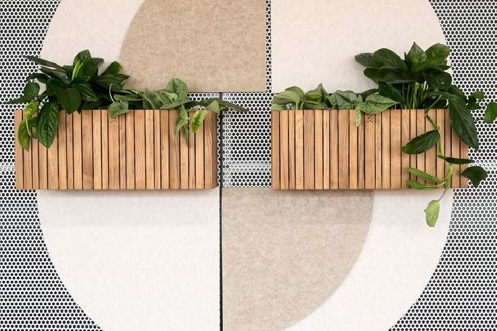
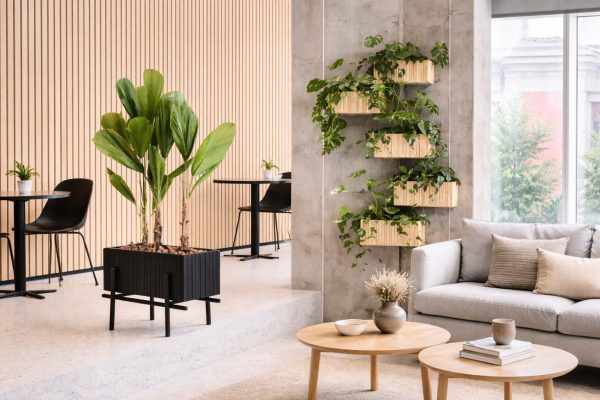
Beyond the planter: how SQUARELY uses greenery to shape space Modular systems for zoning, acoustic comfort and vertical planting...
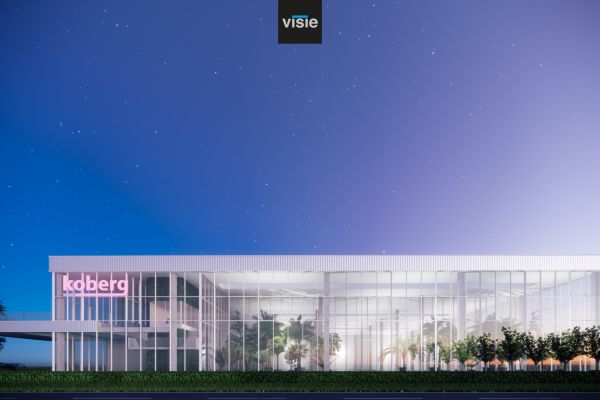
There are certain moments in the growth of a company that deserve to be remembered. For Koberg, we recently reached one of those moments: the highest...
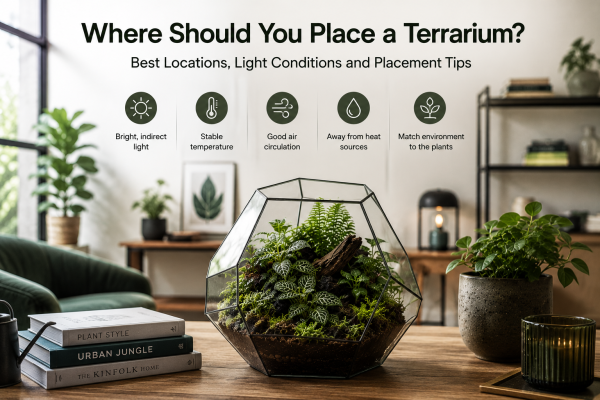
Where Should You Place a Terrarium? Best Locations, Light Conditions and Placement Tips You have chosen the terrarium. You have selected the plants....
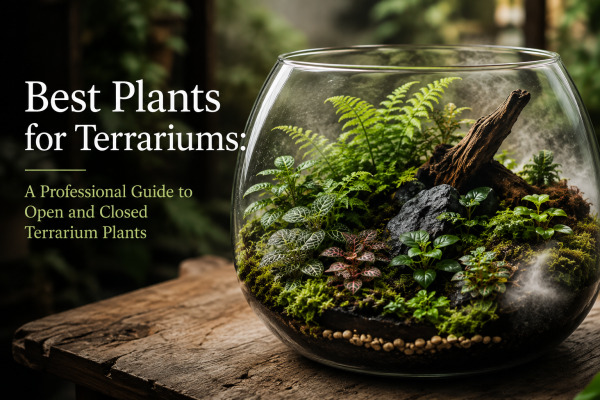
Best Plants for Terrariums: A Professional Guide to Open and Closed Terrarium Plants Terrariums look simple: a glass container, some substrate, a f...
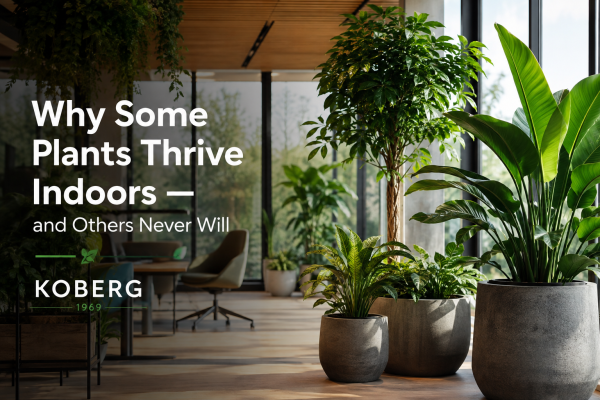
Why Some Plants Thrive Indoors — and Others Never Will We all know the situation. A beautiful plant arrives looking full, green and healthy. A...
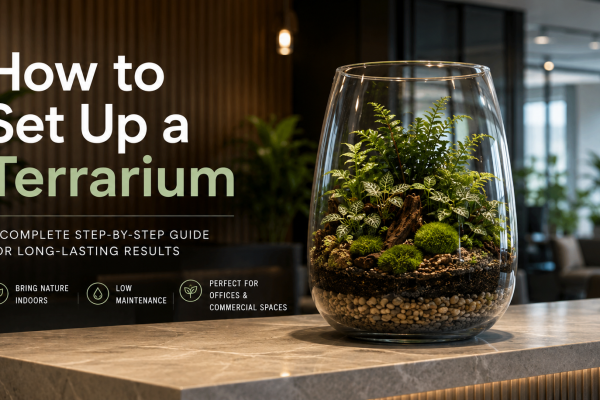
Terrariums have become one of the most popular ways to introduce greenery into both residential and commercial interiors. From modern office buildings...
As expectations for commercial landscapes continue to evolve, outdoor and interior spaces are expected to do far more than simply look attractive. Hot...
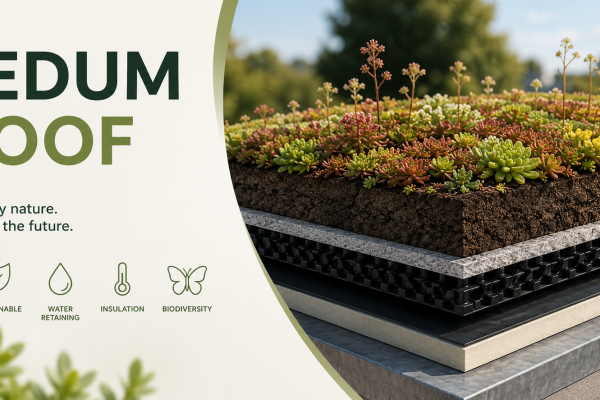
As sustainability becomes a priority for homeowners, businesses, architects, and developers alike, green roofs are becoming an increasingly popular in...
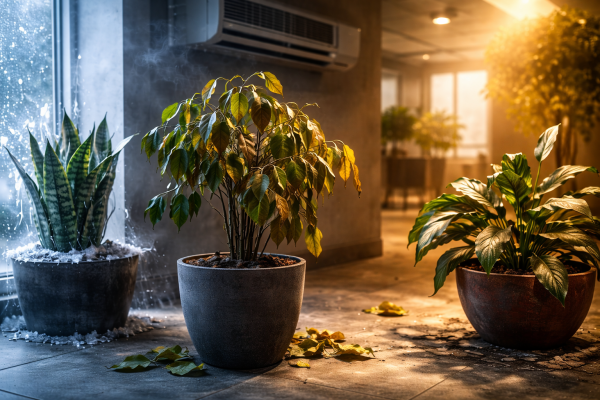
Whether your plants are placed indoors, in an office, hotel, retail space, or commercial environment, the weather outside can have a surprisingly larg...
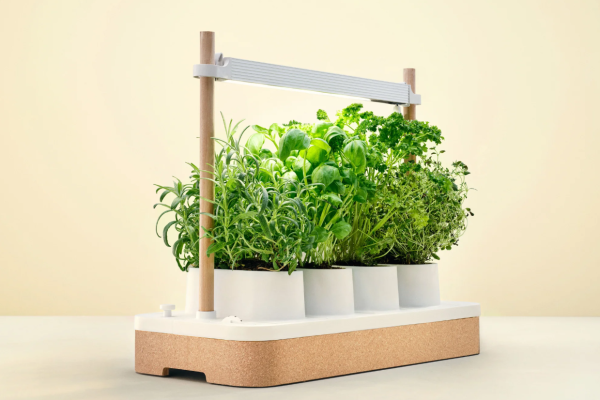
This innovative and compact indoor garden combines design, technology, and sustainability in one high-quality product. Inspired by Scandinavian design...
In today’s interior landscaping market, expectations are shifting rapidly. Clients are no longer just looking for plants and planters — th...
The video perfectly captures what Plant Here stands for: a planter that is not just functional, but architectural in its presence. The...
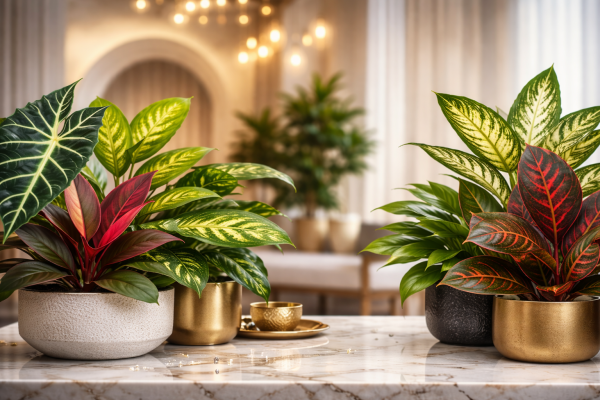
In modern interior landscaping, visual impact is no longer dependent on flowers. For commercial spaces such as offices, hotels, and retail environment...
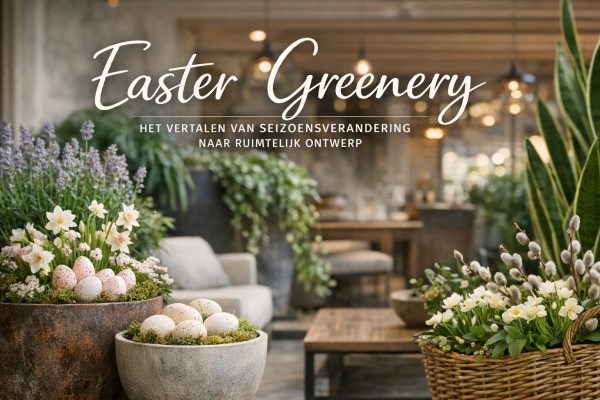
more than decoration during easterFor interior designers and landscapers, Easter is not simply a seasonal moment — it is a shift in how spaces a...
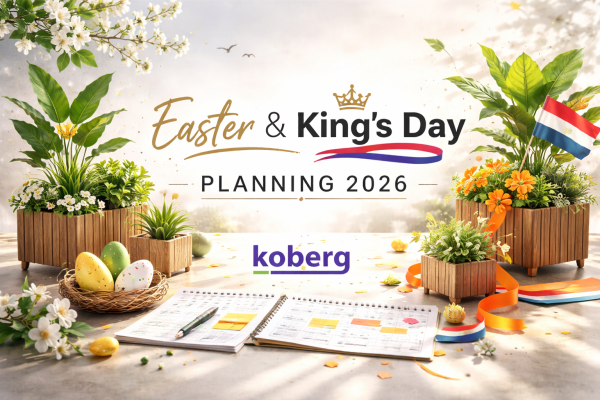
Why this planning is important In April 2026, two important moments affect the delivery schedule: Easter at the beginning of the month and King&rsquo...
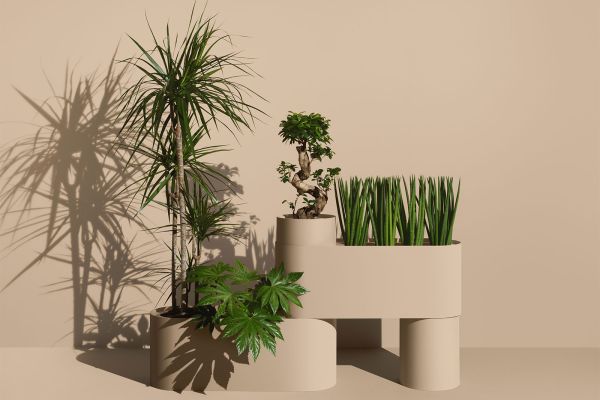
innovative planters for modern interiors In modern interior landscaping, the demand for solutions that combine aesthetics, functionality and sustaina...
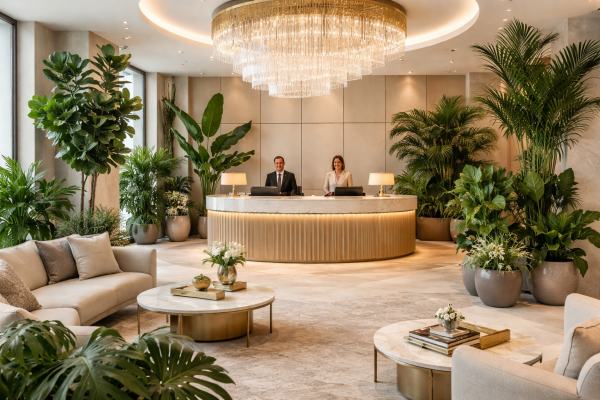
The reception area defines the first impression The reception area is one of the most important spaces in any building. It is the first environment v...
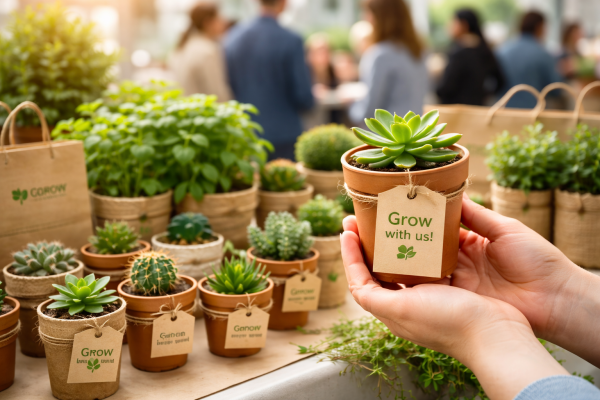
In a world where customers are constantly exposed to advertising, brands are increasingly searching for creative ways to stand out. Traditional promot...
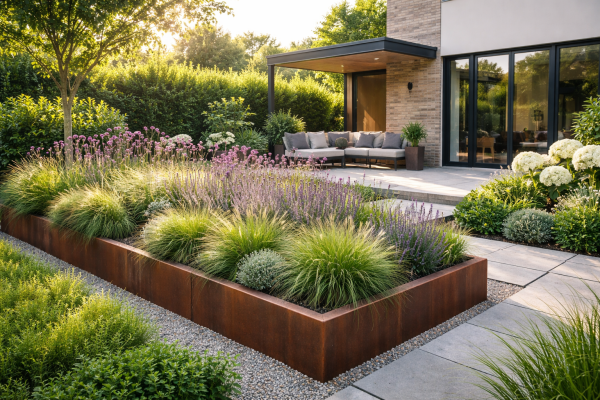
Dutch garden landscaping has gained international recognition for its balance between structure, natural planting and architectural clarity. Rather th...
The right temperature for indoor plants is just as important as light and watering. Yet in offices, hotels and commercial projects, temperature is oft...
The Ultimate Guide to Indoor Plants That Need Little Sunlight Not every interior space benefits from large windows or abundant natural daylight. Offi...
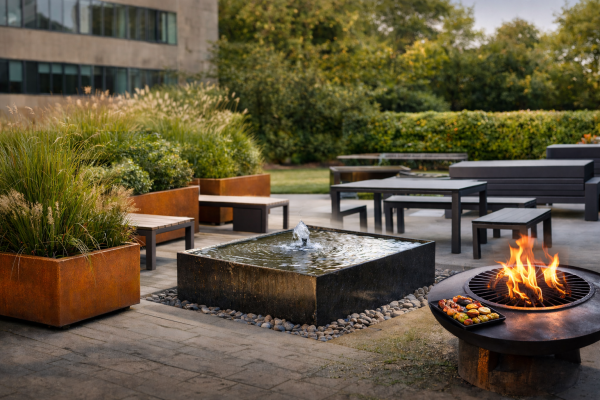
Premium Planters, Outdoor Furniture, Water Features, Heating & Maintenance for Professional Projects Professional outdoor design requires more th...
Substrate Selection in Professional Interior Planting In interior landscaping, significant attention is given to plant selection, containers and desi...
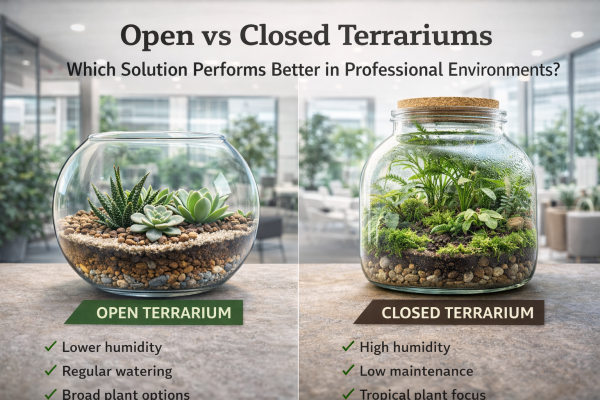
Quick answer: Open terrariums are best for succulents, cacti and plants that prefer dry conditions, while closed terrariums create a humid, self-regul...
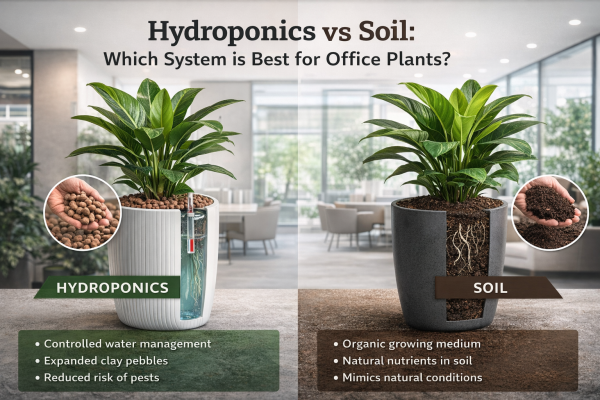
Within professional interior landscaping, the choice between hydroponics and soil is not a minor technical detail. It is a strategic decision that inf...
Pests represent a structural risk within interior landscaping and large-scale commercial planting projects. In professional environments where visual...
Tropical plants have established themselves as a defining element in modern commercial interiors. Across offices, hospitality venues, retail environme...